Bedroom Beats to Big Studios: How UK Home Producers Are Closing the Gap
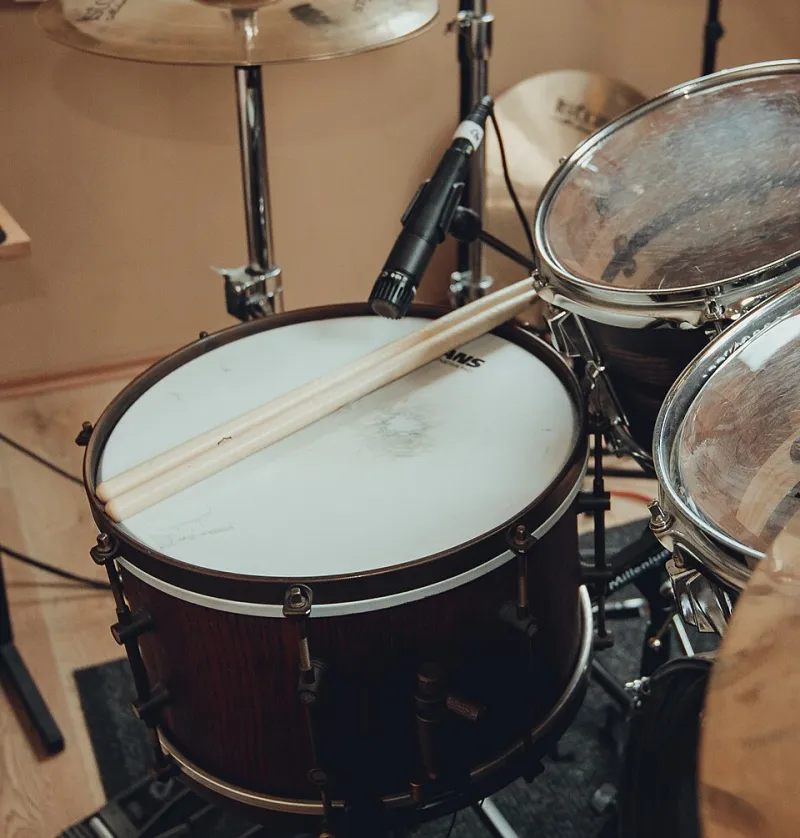
Photo: Shixart1985, CC BY 2.0, via Wikimedia Commons
Not long ago, if you wanted a record that sounded genuinely professional, you had one option: book time in a proper studio. That meant hourly rates, travel, and the slightly nerve-wracking experience of someone else's clock ticking in the background. For most aspiring producers and musicians across the UK, it simply wasn't accessible.
That story has changed dramatically. Walk into the right bedroom in Manchester, Bristol, or Glasgow today, and you might struggle to tell the difference between what's being made there and what's coming out of a commercial facility. So what's actually driving this shift — and more importantly, what does it take to get your home setup to that level?
The Technology Shift That Changed Everything
The democratisation of recording gear has been building for decades, but the last five to seven years have genuinely accelerated things. Audio interfaces that would have cost thousands in the early 2000s now sit comfortably under £200. Microphone technology has followed a similar trajectory. Brands like Focusrite, Universal Audio, and Audient have made genuinely excellent conversion and preamp quality available to anyone with a modest budget.
Software is arguably where the levelling up has been most dramatic. DAWs like Ableton Live, Logic Pro, and Reaper offer capabilities that rival — and in some cases exceed — what major studios were running ten years ago. Plugin libraries have matured enormously too. Emulations of classic analogue gear that once required expensive hardware are now sitting on laptops across the country.
But here's the thing that experienced engineers will tell you: gear is only part of the equation, and often not the most important part.
What Actually Matters: The Honest Take
Talk to any working UK audio engineer and they'll tell you the same thing — the room is everything. You can have the most expensive interface on the market, but if you're recording or mixing in an untreated space, you're working blind. Reflections, standing waves, and low-frequency build-up will deceive your ears and lead to decisions that don't translate outside of your room.
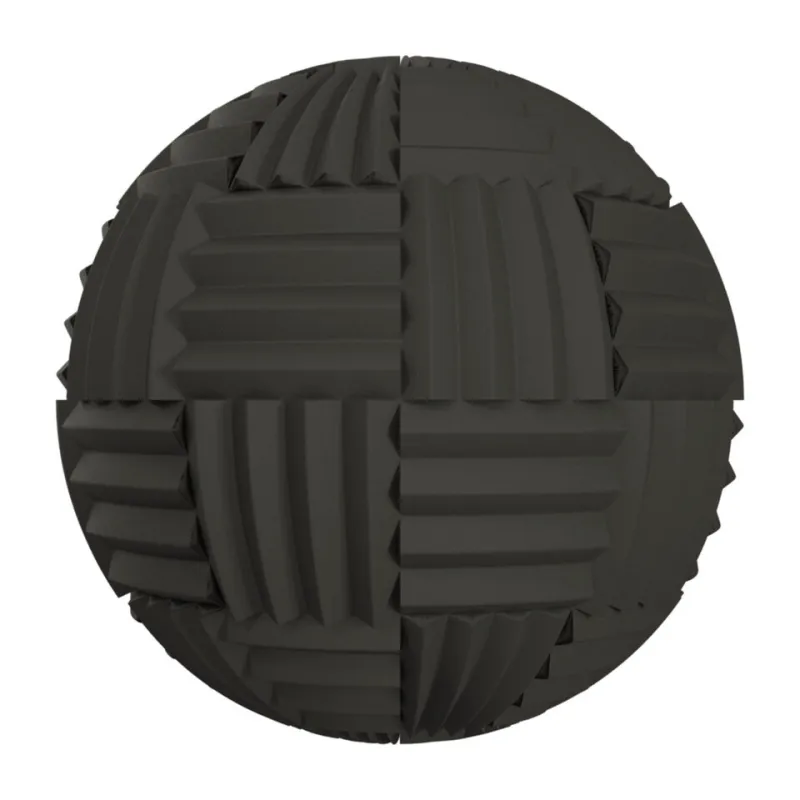
This is where many home setups still fall short, not because of a lack of investment in gear, but because acoustic treatment is less glamorous than a new piece of kit. It doesn't light up, it doesn't have a bypass button, and it doesn't appear in unboxing videos. But it might be the single most impactful upgrade you can make.
The good news? You don't need to spend a fortune. Strategically placed broadband absorbers, some basic bass trapping in the corners, and a decent pair of reference headphones to cross-check your mixes can get you surprisingly far.
Case in Point: UK Producers Making It Work
Take producers like Mura Masa, who built an early career recording in a bedroom on the Isle of Skye before signing to a major label. Or consider the countless grime and electronic artists who have come out of London tower blocks with releases that sit comfortably alongside anything recorded in a Soho studio. The common thread isn't expensive gear — it's a deep understanding of the tools they have and an obsessive attention to the details that matter.
The UK electronic music scene in particular has always had a DIY backbone. From the early jungle producers working with samplers and budget mixers in East London, to the bedroom pop artists currently filling festival slots, there's a long tradition here of making something extraordinary out of limited means.
The Gear That Bridges the Gap
If you're building or upgrading a home setup with professional results in mind, here's where experienced engineers tend to suggest you focus your budget:
Interface and Preamps — A two-channel interface from Focusrite's Scarlett range or Audient's iD series gives you solid conversion and clean preamps for under £200. If you're tracking vocals or acoustic instruments regularly, a dedicated mic preamp like the SSL 2+ or a used Neve clone can add warmth and character.
Monitoring — This is where it's worth spending properly. Yamaha HS series, Adam Audio T-series, or Focal Alpha monitors in the £300–£600 range will give you a reference point you can trust. Pair these with a good set of closed-back headphones — Sony MDR-7506 or Beyerdynamic DT 770 Pro — for cross-referencing.
Microphones — A large-diaphragm condenser like the Audio-Technica AT2020 or the Rode NT1 covers most recording scenarios. For vocals specifically, it's worth testing a few options — microphone and voice matching is genuinely important and not just marketing talk.
Acoustic Treatment — GIK Acoustics ship to the UK and offer excellent value for broadband panels and bass traps. DIY options using Rockwool RWA45 or Knauf Earthwool in timber frames are widely used and highly effective. We'll cover this in more detail in our acoustics guide.
The Software Side
For most home producers in the UK, the DAW choice comes down to workflow preference rather than capability. Logic Pro remains excellent value for Mac users at a one-time cost. Ableton suits loop-based and electronic production. Reaper offers a remarkably powerful option at a fraction of the cost of competitors and runs well on modest hardware.
Beyond the DAW, the plugin landscape can become a rabbit hole quickly. The honest advice here is to go deep on fewer tools rather than wide on many. A solid compressor, a reliable EQ, a good reverb, and a decent saturation plugin will take you further than a library of fifty options you haven't fully learned.
Marketing Hype vs. What Actually Moves the Needle
The gear industry is exceptionally good at making you feel like the next purchase will unlock something transformative. In reality, most professional-sounding home recordings come down to three fundamentals: a treated room, accurate monitoring, and a strong understanding of gain staging.
Before buying another plugin or upgrading your interface, spend a Saturday afternoon measuring your room's acoustic response using REW (Room EQ Wizard) — it's free, and the results are often eye-opening. Then address what you find. That investment of time will do more for your mixes than almost anything else.
The Bottom Line
The bedroom studio is no longer a compromise. For the right genres and the right approach, it's a genuinely competitive environment. The UK music scene has always thrived on resourcefulness and creative problem-solving, and that spirit maps perfectly onto what modern home production demands.
If you're on this journey — whether you're just starting out or looking to push your existing setup to the next level — the fundamentals remain consistent: treat the room, understand your tools, and prioritise your ears above your gear list. The rest follows from there.
Want to go deeper on any of this? Our Recording Workshop UK courses cover everything from acoustic treatment basics to advanced mixing technique — all tailored for the realities of working in a UK home environment.