First Take Magic: Why Your Throwaway Demo Keeps Beating Your Best Recorded Performance
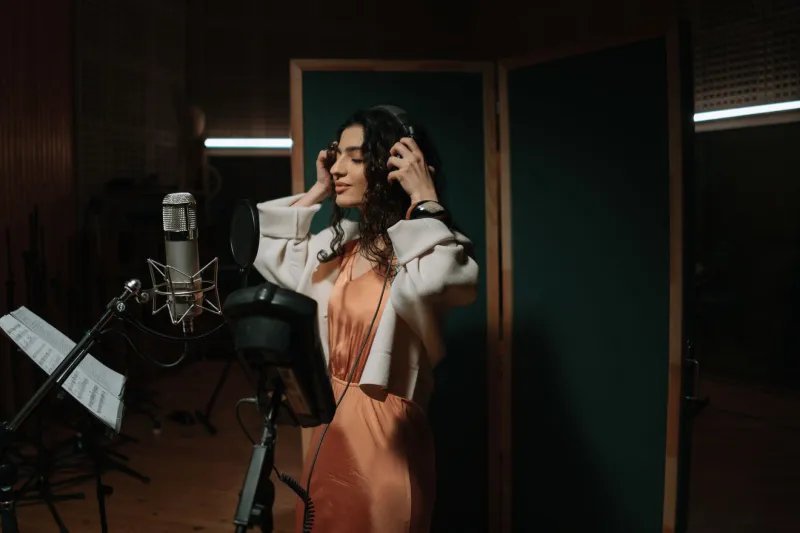
You know the feeling. You're setting up a session, everything's not quite ready, and you sing through the song once just to check your levels. You play it back, cringe slightly at the rough edges, and then notice something uncomfortable — it sounds brilliant. The phrasing is natural. The emotion is right there. The whole thing breathes.
Then you spend the next two hours chasing that feeling and never quite catching it.
This isn't a quirk of your setup or a fluke of the universe. It's one of the most consistent and well-documented phenomena in recording, and it has a name that session musicians and producers have been quietly using for decades: the scratch vocal paradox.
What's Actually Going On When You Hit Record
When you sit down to record a proper take, something shifts in your brain. The stakes feel real. You're thinking about pitch, about breath control, about whether that note you always wobble on is going to wobble again. You're monitoring yourself in real time, which means part of your attention is pulled away from the actual performance.
Psychologists call this kind of self-monitoring ironic process theory — the harder you try not to do something, the more likely you are to do it. Tell yourself not to crack on the high note, and suddenly that high note is all you can think about.
The scratch vocal, by contrast, gets recorded with almost no conscious self-awareness. You're not performing. You're demonstrating. You're saying, essentially, "here's roughly what it should sound like" — and in doing so, you strip away the psychological armour that was actually getting in the way.
The Gear Angle Nobody Talks About
Here's where it gets interesting from a technical standpoint. The scratch vocal is usually recorded with your interface gain set casually, maybe with a basic pop filter or none at all, possibly through a cheaper mic. And yet it captures something the expensive take doesn't.
Part of that is down to proximity and positioning. When you're not thinking about mic technique, you move naturally. You lean in during the quiet bits, pull back when you belt. You're not standing rigidly at a fixed distance trying to maintain a consistent level. The performance dictates your relationship with the mic, rather than the other way around.
In a proper session, many home recordists overcorrect. They set a precise distance, mark it with tape, and then stand there like a statue. That consistency has real technical benefits — but it can also flatten the dynamics that make a vocal interesting.
Why UK Singers Are Especially Vulnerable to This
There's a particular cultural flavour to this problem in the UK. British singers, by and large, are not great at performing without an audience. The self-consciousness that makes us brilliant at dry wit and understatement does us no favours when we're standing alone in a converted box room, singing into a microphone, hearing our own voice through headphones at 2am.
It's a deeply unnatural situation, and the more seriously we take it, the more unnatural it feels. The scratch vocal sidesteps all of that because it doesn't feel serious. It's just a rough guide. Nobody's judging it. Least of all you.
Practical Strategies to Recreate That Feeling Deliberately
The good news is that once you understand why the scratch vocal works, you can start engineering those conditions intentionally. Here are some approaches worth building into your regular sessions.
Record Before You're Ready
Don't wait until everything is perfect to hit record. Get your approximate levels set, start recording, and sing through the song as if you're just warming up. Don't tell yourself this is the real take. You're just checking things over. Do this two or three times before you settle into "proper" recording mode. You might find you already have what you need.
Use the Headphone Mix as a Tool
One underrated trick is adjusting what you hear while you sing. Many home recordists monitor themselves too loudly in their headphones, which amplifies every tiny imperfection and makes self-criticism almost unavoidable. Try lowering your own vocal in the cue mix and bringing up the music. You'll naturally focus more on the song and less on your voice.
Change the Physical Setup Slightly
If your "serious" sessions always happen at a specific mic position, try recording a pass from a slightly different angle or distance. Not wildly different — just enough to break the psychological association between that setup and the pressure of a proper take. Sometimes the body needs a small physical signal that the rules have changed.
Limit Your Takes Upfront
Decide before you start that you're only going to do three takes, maximum. No more. Tell yourself the third take is the last regardless of how it goes. This creates a different kind of pressure — a closing window rather than an endless opportunity — and many singers find it focuses them in a way that open-ended recording never does.
Re-examine Your Scratch Vocals Before You Delete Them
This one sounds obvious, but it's genuinely underused: listen back to your scratch vocals properly before you wipe them. Not with a critical ear, but with a curious one. What is it doing that your polished takes aren't? Is the phrasing more relaxed? Is there a rhythmic looseness that feels more musical? Use that information to inform how you approach the next take.
The Bigger Picture
There's a lesson here that goes beyond vocal technique. Recording is, at its core, a process of capturing a moment — and moments are notoriously difficult to plan. The infrastructure of a home studio is designed to give you control, but control can become its own obstacle when what you're trying to capture is something spontaneous and alive.
The best session musicians understand this intuitively. They come prepared, they know the material, and then they let go of the outcome. The preparation is what makes the letting go possible.
For home recordists, that's the real skill to develop: building enough technical confidence in your setup that you can stop thinking about it entirely, and just play. The scratch vocal sounds better not because it's technically superior, but because the person singing it has temporarily forgotten to be afraid.
Get comfortable enough with your room, your gear, and your workflow that every take feels a little bit like a scratch vocal. That's where the magic lives.