Three Takes or Nothing: The Secret Behind Vocal Doubles That Actually Work

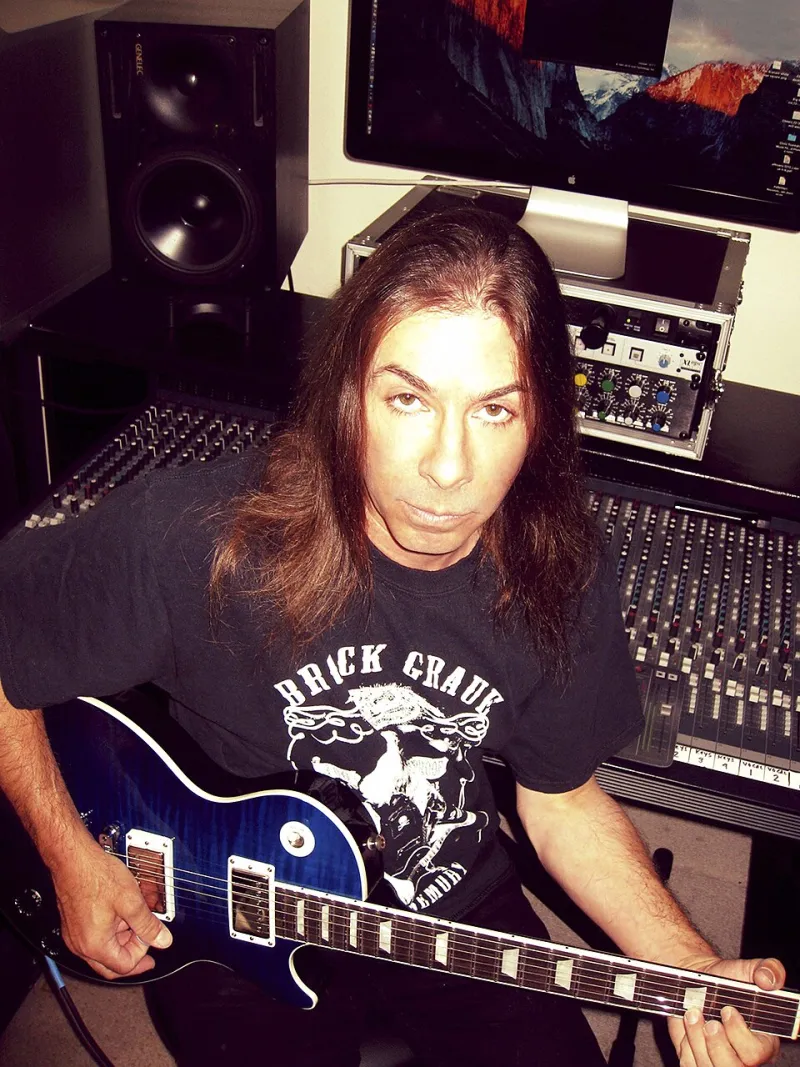
Photo: Edwinhuits, CC BY-SA 4.0, via Wikimedia Commons
There's a moment every home producer knows. You've got a cracking lead vocal. The performance is there, the emotion lands, and you're feeling good about the session. So you ask your singer to run it again for the double — and suddenly everything sounds a bit weird. Too tight, too stiff, or weirdly hollow. Like a ghost of the original track is haunting your mix.
This is one of the most common frustrations in home recording, and it comes down to a fundamental misunderstanding of what a vocal double is actually supposed to do.
What a Double Is Really For
Let's be clear about the goal first. A vocal double isn't meant to be an identical copy of your lead. If it were, you'd just use a plugin — a chorus effect, a pitch shifter, or a light bit of stereo widening. The reason you go to the trouble of recording a live second take is precisely because a human being can't replicate themselves perfectly. That slight variation in pitch, timing, and vowel shape is what gives the double its warmth and weight.
The problem is that most singers, when asked to "do it again exactly the same," try their absolute hardest to do exactly that. And that's where things go wrong.
The Stale Copy Problem
When a vocalist consciously attempts to mirror their own performance, they shift from instinct to imitation. The natural micro-variations that make singing feel alive — tiny drifts in intonation, the way a vowel opens slightly differently each time, a breath that comes a fraction of a beat earlier — all of that gets ironed out. What you're left with is something that sounds mechanical. Producers sometimes call this the "stale copy" effect: two takes so similar they don't blend, they just stack awkwardly, like two identical photos laid on top of each other and slightly out of register.
The irony is brutal. The more effort your singer puts into matching the original, the worse the double sounds.
Why Two Takes Isn't Enough
Here's the thing that catches a lot of home recordists out: you actually need a minimum of three takes in the session, even if only two end up in the final mix.
The first take is your lead. It's the performance you're building around.
The second take is usually where the stale copy problem lives. Your singer has just heard the first take back, they're trying to nail it, and they're in their head. This take might be technically tighter, but it often lacks soul. It's useful as a safety, but don't assume it's your double.
The third take — and this is the one producers often skip because they think they've already got what they need — is where the magic tends to happen. By the third pass, your singer has stopped consciously imitating themselves. They're back in the song rather than in their own head. The performance relaxes, the natural variation returns, and suddenly you've got something that breathes alongside the lead rather than clinging to it.
This isn't a rule that works for every singer or every song, but it's a solid default position when you're troubleshooting doubles that feel flat.
Practical Techniques for Guiding the Session
Getting a good double is as much about how you communicate with your singer as it is about microphone placement or gain staging. A few approaches that tend to work well in practice:
Don't play them the lead before the double. If you can avoid it, have your singer perform the double without a fresh reminder of exactly how the first take went. Let them sing it from memory and instinct. The variations that emerge will be more natural.
Change something about the performance cue. Ask them to think about a different lyrical meaning, sing to a different imaginary person in the room, or simply adjust their physical position slightly. Any small shift in mental or physical state tends to unlock a more genuine variation.
Record with the double panned wide before you commit. Before you decide a take is the keeper, drop it into the session panned hard opposite to your lead and listen. If it thickens the centre and adds presence, it's working. If it makes the stereo image feel smeared or artificial, go again.
Keep an eye on timing, not pitch. Most home producers zoom in on pitch consistency when reviewing doubles, but timing is often the bigger culprit when something sounds off. A double that's a few milliseconds early or late on a consonant will feel more disruptive than one that's slightly sharp. Use your ears rather than your eyes — resist the urge to judge the waveform visually.
When the Double Exposes More Than It Hides
There's another scenario worth flagging: the double that works technically but suddenly makes a weakness in the lead vocal more audible. This happens because doubling is a magnifying process. Any pitch wobble, diction issue, or tonal inconsistency in the original becomes harder to ignore when a second voice is reinforcing it.
If you're finding that adding the double draws attention to problems rather than masking them, the answer usually isn't to fix the double — it's to revisit the lead. A stronger foundation makes everything easier downstream.
A Word on Timing for UK Sessions
If you're recording in a home studio in the UK — which, let's be honest, often means a converted bedroom, a loft, or a garden room with questionable acoustic treatment — you're also dealing with the reality that singers get tired faster in less comfortable environments. Cold rooms, awkward headphone mixes, and the general self-consciousness that comes with recording at home all eat into vocal stamina more quickly than a proper booth.
Keep your double session shorter than you think you need to. Three focused takes with good energy beats five takes where the last two are clearly running on empty. Give your singer water, give them time between passes, and resist the temptation to stack take after take chasing perfection. The third take rule only works when the third take is still a fresh performance.
The Bigger Picture
Doubling vocals is one of those techniques that sounds simple on paper and reveals its complexity the moment you try to do it well. The difference between a double that elevates a mix and one that clutters it isn't expensive gear or studio magic — it's understanding why the technique works in the first place.
Give your singer the space to be slightly imperfect. Capture three takes, trust the process, and you'll find the double that actually belongs in your track rather than the one that just sounds like the lead is haunting itself.