The Finish Line Is Further Than You Think: Planning Post-Production for Your First Home Album
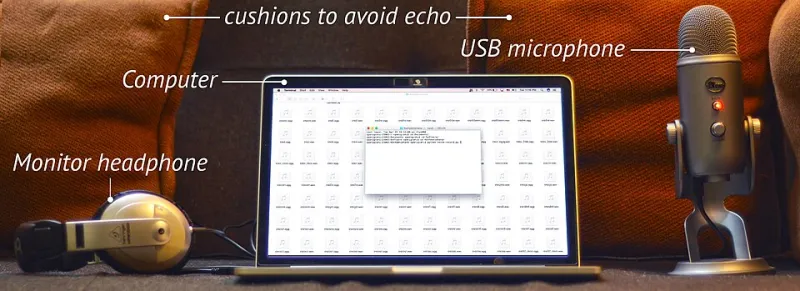
Photo: Subhashish Panigrahi, CC BY-SA 4.0, via Wikimedia Commons
You've done the hard part, right? The songs are written, the sessions are recorded, and you've got a folder full of takes that you're actually happy with. Now it's just a case of mixing and mastering — how long can that really take?
If you've never finished a full album at home before, here's a gentle heads-up: longer than you think. Quite a lot longer, in many cases. Post-production is the phase where more home recording projects stall out than at any other point, and it's almost always because people underestimated what was actually involved.
This isn't meant to scare you off. It's meant to help you plan properly, so that you actually get your record finished rather than leaving it 80% complete on a hard drive somewhere.
What Post-Production Actually Involves
Let's start by being clear about what we mean when we talk about post-production, because it's easy to think of it as just "mixing and mastering" when it's actually a much broader process.
For a typical home-recorded album, post-production includes: editing your recorded takes (comping vocals, tightening timing, cleaning up noise between sections), mixing each track, revising those mixes based on feedback, preparing your stems or bounced files, mastering (or sending to a mastering engineer), and then quality-checking the final masters across multiple playback systems before delivery.
Each of those stages takes real time. And each one has its own potential bottlenecks.
The Editing Phase: The Bit Everyone Forgets
Before you can mix anything, your tracks need to be properly edited. For a lot of home recordists, this is the step that catches them completely off guard.
Comping vocals alone — listening through multiple takes and selecting the best phrases to build a composite performance — can take two to three hours per song if you've recorded carefully. Add in timing adjustments for drums or bass, removing breath noises and room noise between phrases, and sorting through any doubled or layered parts, and you're looking at a significant block of work before a single fader gets moved.
For a ten-song album, budget at least a full week of evening sessions just for editing. More if you recorded a lot of takes.
Mixing: Realistic Timeframes for Home Engineers
Here's where people really underestimate things. If you're mixing your own record — particularly if it's your first time mixing a full project — a single song can take anywhere from one day to several days of work, spread across multiple sessions.
Why so long? Because mixing your own music is genuinely difficult. You're too close to it. You'll second-guess decisions constantly. You'll get ear fatigue and need to walk away. You'll think a mix is finished, come back the next morning, and immediately hear something that needs changing.
For a ten-track album, a realistic mixing timeline for a home engineer working evenings and weekends is six to ten weeks. That's not a pessimistic estimate — that's what it actually tends to take when you factor in revision cycles and the mental energy required.
One genuinely useful habit: limit yourself to a maximum of two or three hours of mixing per session. After that, your ears stop making reliable judgements and you start making changes that you'll undo the next day.
When to Bring In Outside Help
This is the question a lot of first-time album makers wrestle with: at what point should you hand something off to a professional?
For mixing, the honest answer is: if your budget allows it, handing your mixes to an experienced mixing engineer is almost always worth the money. Not because your mixes will necessarily be bad, but because a fresh set of ears with proper monitoring and professional experience will catch things you've become deaf to. In the UK, a decent independent mixing engineer typically charges anywhere from £100 to £400 per track depending on their experience and turnaround time — shop around, listen to their work, and don't just go with whoever is cheapest.
For mastering, it's a similar story. Getting your mixes mastered by a dedicated mastering engineer — even a more affordable one — will almost always produce better results than self-mastering, particularly for a first album. Mastering requires a level of objectivity and a calibrated listening environment that most home studios simply can't provide.
If budget is tight, consider mixing yourself but investing in professional mastering. It's the most cost-effective way to split the work.
The Revision Spiral and How to Avoid It
One of the most common ways home album projects drag on indefinitely is what we might call the revision spiral. You finish a mix, share it with a friend or bandmate, get feedback, make changes, share it again, get more feedback, make more changes — and suddenly three months have passed and you're on version 23 of a song that was nearly done in week two.
Set a revision limit before you start. Decide in advance that each mix gets a maximum of two revision rounds, full stop. This sounds arbitrary, but it's one of the most effective ways to actually finish a project. At some point, a mix is good enough — and chasing perfection beyond that point usually makes things worse, not better.
Building a Realistic Project Timeline
If you're starting post-production on a ten-track home album today, here's a rough framework to work from:
- Weeks 1–2: Editing and comping all tracks
- Weeks 3–8: Mixing, one or two tracks per week
- Weeks 9–10: Revision rounds on mixes
- Week 11: Preparing files and sending to mastering
- Week 12–13: Mastering and final quality checks
That's roughly three months from the end of recording to a finished, mastered album — and that's assuming things go smoothly. Build in an extra two to four weeks as a buffer, because something will always take longer than expected.
Getting It Over the Line
Finishing an album is genuinely hard, and the post-production phase is where a lot of that difficulty lives. But it's also where the real craft of record-making happens — where performances become songs and songs become a record.
Give it the time it deserves. Plan properly. Know when to ask for help. And don't let the finish line disappear just because it turned out to be further away than you expected.