Why Your Mix Lies to You: The Home Studio Monitoring Problem Nobody Warns You About
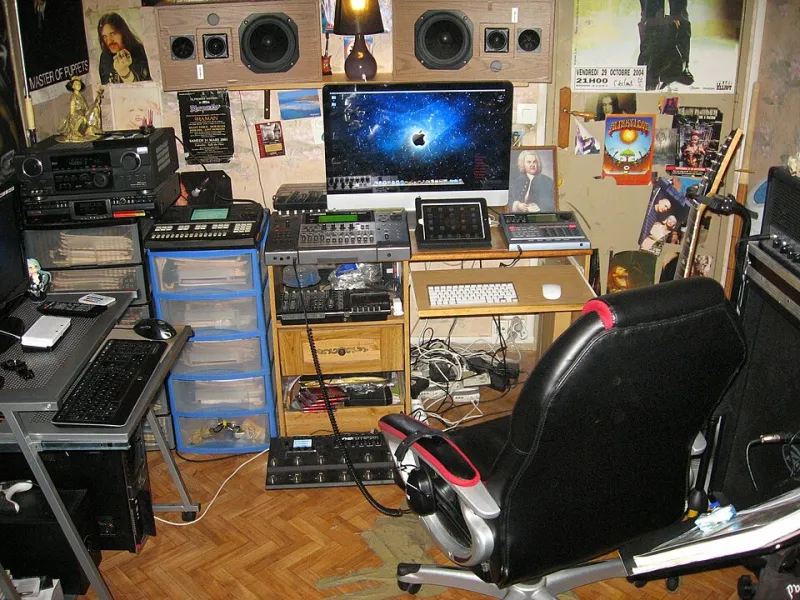
Photo: Cryptrz, CC BY-SA 4.0, via Wikimedia Commons
You've spent a Saturday afternoon nursing a mix into shape. The low end feels full, the vocals sit just right, and the whole thing sounds — honestly — pretty brilliant through your monitors. Then you jump in the car, stick it on through the stereo, and it sounds like someone wrapped a duvet around your speakers and turned the bass up to eleven.
Welcome to one of home recording's most universal frustrations. It's got a name in production circles: translation. And getting your mixes to translate well — across phones, car stereos, Bluetooth speakers, and club systems — is genuinely one of the hardest skills to develop when you're working in an untreated room.
The good news? Once you understand why it happens, you can start doing something about it.
Your Room Is Lying to You
Here's the uncomfortable truth: your bedroom, spare room, or converted loft is not a neutral listening environment. Every room has its own acoustic fingerprint — a set of frequencies that get boosted by reflections, and others that cancel out due to standing waves. These are called room modes, and they're baked into the physics of any enclosed space.
In practical terms, this means your room might be exaggerating bass frequencies around 80Hz, making you think your low end is massive when it's actually muddy. Or it might be swallowing high-mids, so you keep pushing those frequencies up — only for the mix to sound harsh and brittle everywhere else.
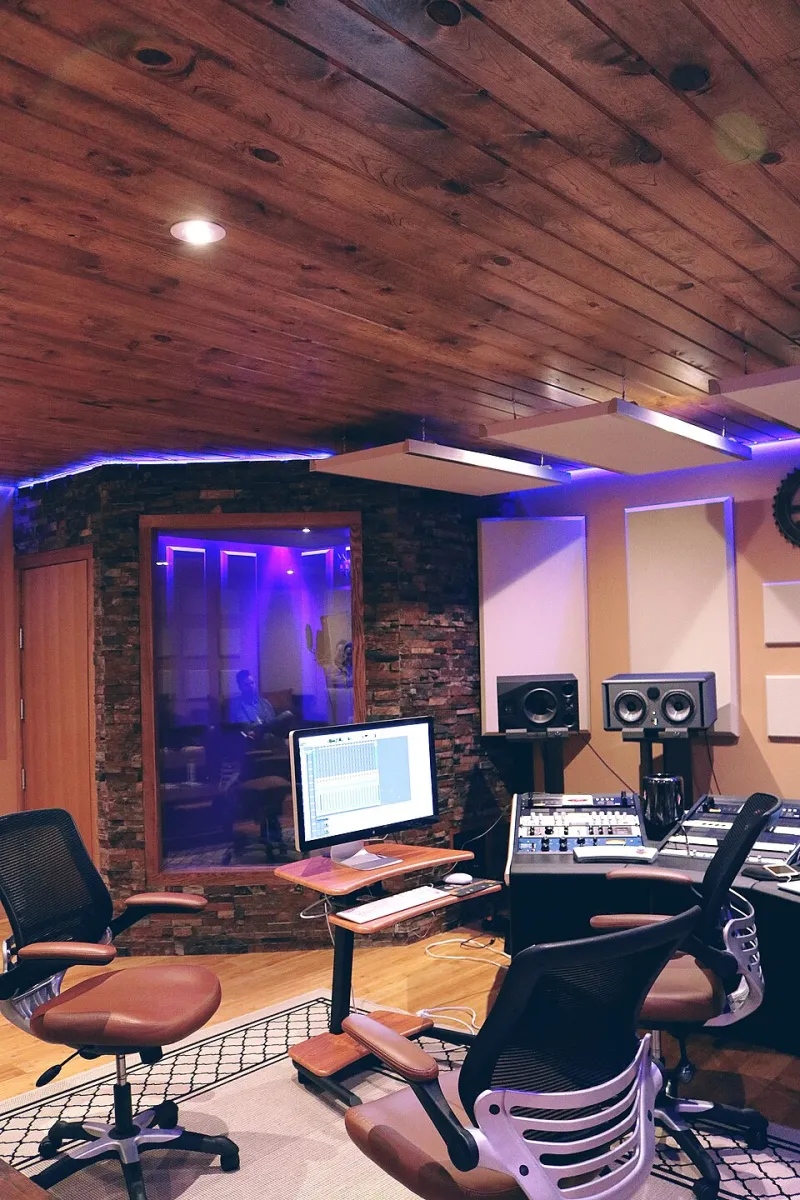
In a professionally designed studio, significant money and expertise goes into minimising these acoustic problems. In your spare room with a desk, a wardrobe, and a stack of IKEA shelves, you've got none of that. Which means your monitors — however good they are — are giving you a skewed picture of your actual mix.
The British Home Producer's Listening Environment
It's worth thinking about where UK listeners actually consume music, because it shapes how you should be checking your mixes. A lot of listening happens on AirPods and budget earbuds on the Tube or the bus. A chunk of it happens on small Bluetooth speakers — the kind people stick on kitchen worktops. And a fair amount still happens in cars, especially for longer journeys.
Club and festival systems are a different beast entirely — massive subwoofers and line arrays that expose every flaw in your low-end decisions. If you're making music aimed at clubs, you really do need to be checking your mixes on systems that can actually reproduce that sub-bass range.
The point is: no single playback system tells you the whole story. A mix that sounds good only on your monitors is a mix that's working for an audience of one.
Reference Tracks: Your Secret Weapon
One of the most effective and completely free tools in your arsenal is the reference track. Pick two or three commercially released songs in a similar genre to yours — ideally tracks you know intimately, that you've heard on multiple systems — and load them into your DAW alongside your own mix.
Flick between them regularly as you work. Not to copy them, but to calibrate your ears. If your low end sounds significantly heavier than the reference, your room is probably flattering it. If your mix sounds thin and harsh by comparison, you may be over-compensating for a room that's eating your high frequencies.
Spotify and Apple Music both have decent catalogues of well-mastered tracks. Dua Lipa, Arctic Monkeys, Stormzy, and Arlo Parks are all solid references across different genres, and they're all artists UK listeners know well — which makes the comparison feel relevant.
Cheap and Cheerful Acoustic Treatment
You don't need to spend thousands on proper acoustic panels to make a meaningful difference. Even some basic treatment in the right places can reduce the worst of your room's colouration.
The most impactful thing you can do is treat the first reflection points — the spots on the walls and ceiling where sound bounces directly from your speakers to your ears. Heavy curtains, bookshelves stuffed with irregular-shaped objects, thick rugs on hard floors, and even a sofa behind you can all help diffuse reflections and reduce the smearing effect they cause.
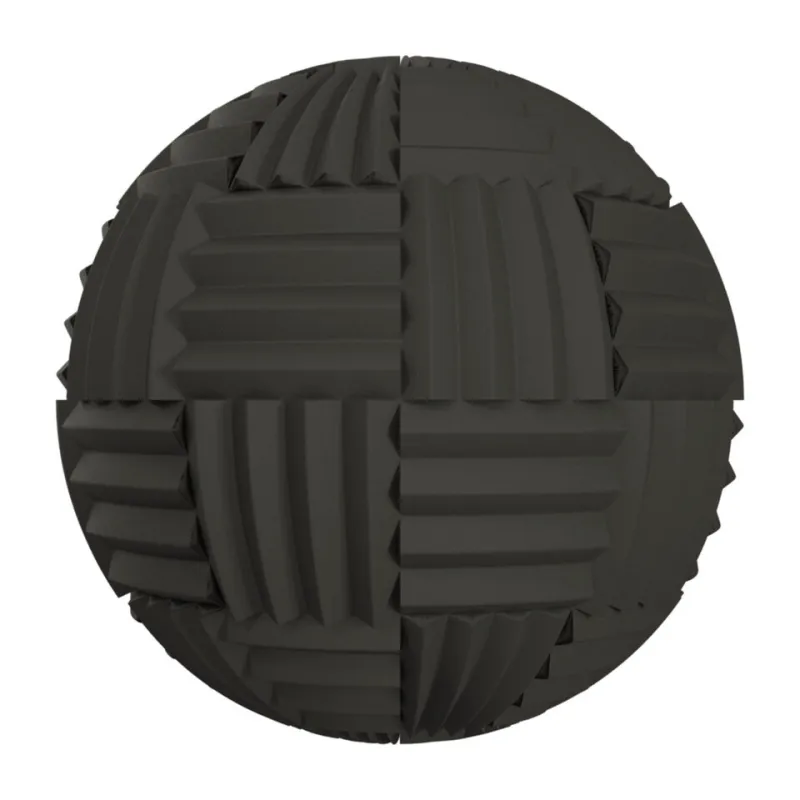
Bass trapping is trickier and more expensive, but even placing some thick foam or rockwool panels in the corners of your room — where low-frequency energy tends to build up — can tighten your low-end perception. UK suppliers like GIK Acoustics (who ship from their European base) and Acoustimac offer relatively affordable panel options.
The Multi-System Check: Making It a Habit
Here's a workflow adjustment that will genuinely change your mixes: before you call anything finished, play it back on at least three different systems.
Your monitors are your primary reference. But then export a rough mix and listen through headphones — both open-back studio cans and a pair of consumer earbuds if you have them. Play it through your phone speaker. Stick it on in the kitchen on a Bluetooth speaker. If you can get it into the car, do that too.
You're not looking for perfection on every system. You're listening for anything that sounds wrong — a bass that disappears, vocals that get swamped, a harshness in the upper mids that wasn't obvious on your monitors. Each of those is a clue pointing back to something in your room's acoustic signature.
Monitoring Plugins: A Digital Shortcut
If you want a more systematic approach, monitoring plugins can simulate how your mix sounds on different playback systems without leaving your studio chair. Tools like Sonarworks SoundID Reference (which also offers a room measurement feature), Waves Nx, and the more affordable LANDR Studio plugin can model everything from consumer earbuds to club systems.
These aren't magic fixes — they work best in conjunction with good acoustic treatment and solid reference checking — but they're a genuinely useful addition to your toolkit, especially if you're working in a room you can't treat properly.
The Long Game
Learning to mix in an imperfect acoustic environment is a skill. It takes time, ear training, and a lot of honest listening across different systems. The producers who get really good at it aren't the ones with the best gear — they're the ones who've developed a clear mental picture of how their room colours sound, and who've learned to compensate for it.
That starts with understanding the problem. And now you do. So the next time your mix sounds incredible through your monitors, resist the urge to call it done. Take it for a test drive first — literally, if you can.