Studio Ready: How to Prepare Like a Professional Session Musician
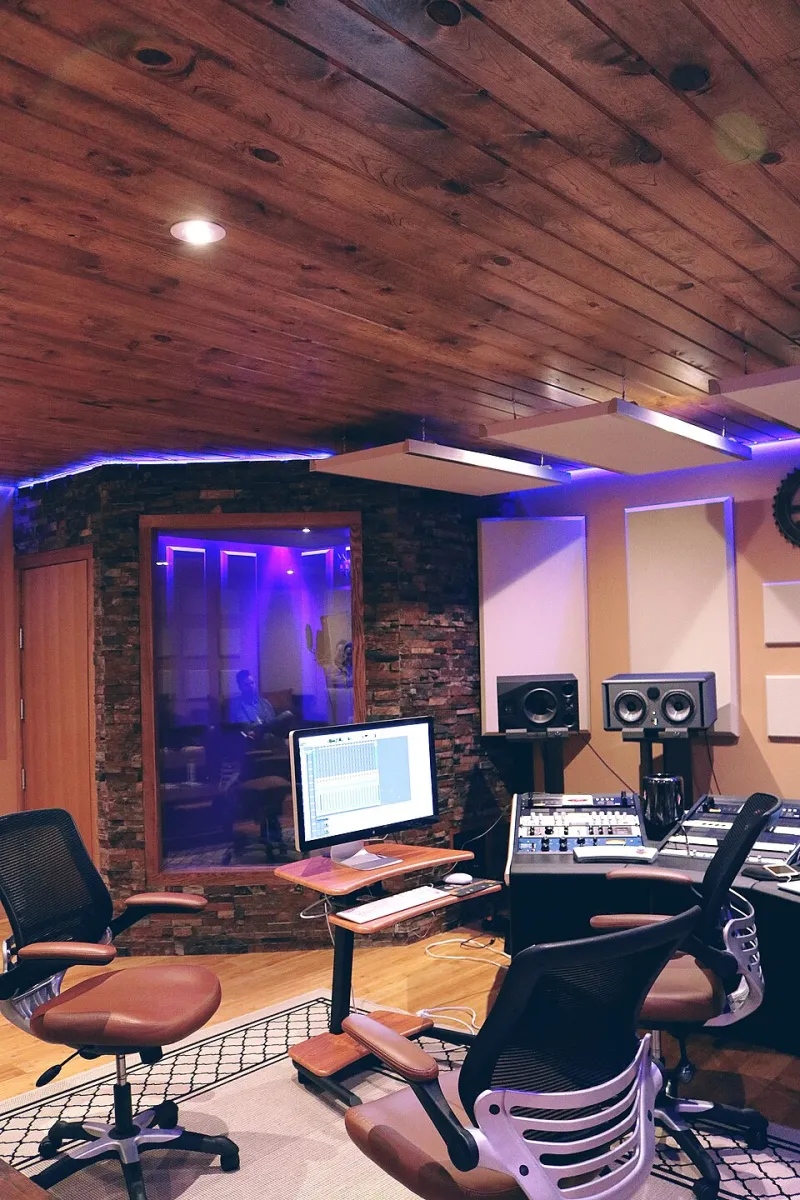
Photo: Dayron Villaverde from Miami, USA, CC0, via Wikimedia Commons
The red light is on. The producer is watching through the glass. The clock is ticking at £60 an hour. This is not the moment to be figuring out your part.
For working session musicians across the UK — the people you hear on adverts, film scores, album tracks, and live TV performances — preparation isn't just a good habit. It's the entire job. The performance in the studio is almost secondary to the work that happens in the days and weeks beforehand. Get that right, and the session almost takes care of itself.
Here's how they do it.
Get the Brief Right Before You Arrive
The single most common mistake less experienced players make is showing up to a session without fully understanding what's expected of them. This sounds obvious, but there's a real difference between receiving a rough demo and genuinely knowing the vibe, the key, the tempo, the arrangement, and what the producer is actually after.
Before any session, reach out to the producer or music director and ask clear, specific questions. What's the tempo? Is there a click track? Are you expected to bring a specific sound or will the engineer handle that? Is there a chart, a lead sheet, or just a reference track to work from?
In the UK session world — particularly in London's still-thriving recording scene, but also in studios across Manchester, Bristol, and Glasgow — producers appreciate musicians who ask intelligent questions beforehand far more than musicians who improvise their way through a session they weren't ready for.
Learn the Material, Then Learn It Again
Once you have a demo or reference track, listen to it obsessively. Not just casually in the background while you're making tea — actively, with headphones, paying attention to structure, dynamics, and where your instrument fits in the mix.
Then learn your part. Then learn it again until you're not thinking about the notes anymore. The goal is to reach what some session players call "autopilot" — a state where the mechanics of playing are so embedded that your conscious attention is free to focus on feel, expression, and responding to what's happening in the room.
If there's a chart provided, mark it up. Circle the tricky sections. Note any time signature changes. If you're working from a chord chart and the producer wants a specific voicing or rhythmic feel, transcribe that from the demo and practise it until it's second nature.
Click Tracks: Make Friends With the Metronome
If you're not comfortable playing to a click track, that is the thing to fix before you step foot in a professional studio. Full stop.
Practising with a click isn't just about staying in time — it's about developing the internal confidence to hold a groove without relying on the musicians around you. In a live band, everyone locks in together. In a session, you might be recording your part entirely alone, and the click is your only reference.
Start practising with a metronome or a drum loop at home if you don't already. Record yourself playing to a click and listen back critically. Are you rushing on fills? Dragging at phrase endings? These micro-timing issues are almost invisible in a live context but become very obvious when you're listening back to an isolated track in a quiet control room.
Many UK session musicians swear by in-ear monitors during recording sessions rather than headphone cans — the click sits more naturally in the ear and there's less bleed risk. Worth investing in a decent IEM setup if you're planning to do this regularly.
Dealing With Studio Nerves
Even experienced players feel the pressure in the studio. The environment is unfamiliar, the stakes feel high, and there's often a quiet tension in the air that can tighten your playing and flatten your expression.
The most practical advice here is this: arrive early, take time to settle in, and warm up properly before the session starts. Don't use the expensive studio time to warm up your hands. Do that in the car park, in the reception area, in the toilet if you have to. Arrive ready to play.
Breathing matters more than you'd think. A few slow, deliberate breaths before a take can genuinely calm the nervous system and loosen playing that's been tightened by adrenaline. It sounds a bit wellness-y, but it works.
Also: remember that the producer wants you to nail it. They're not waiting for you to fail. Most good producers are actively rooting for the musician in the booth, because a great take makes their job easier too.
Communicate Clearly With the Producer
Session work is collaborative, and communication is a skill in itself. If you're unsure about something — a specific section, an instruction that wasn't clear, a sound you're being asked to create — ask. Politely, briefly, professionally. A ten-second question saves three wasted takes.
Equally, if you feel like you've got something better to offer than what's on the chart, mention it — but frame it as a suggestion, not a correction. "I had an idea for that bridge section — do you want to hear it?" is very different from "I think this would work better if..."
Producers remember musicians who are easy to work with. The UK session community is smaller than you might think, and reputation travels fast. Being technically excellent and professionally awkward will get you fewer callbacks than being very good and genuinely pleasant to have in the room.
Practical Prep Checklist
Before your next session, run through this:
- Listen to the reference track at least ten times — more if the part is complex
- Practise to a click every single day in the week leading up to the session
- Confirm all session details in writing: time, location, expected sounds, chart format
- Check your gear — fresh strings or reeds, charged batteries, backup cables
- Arrive 15–20 minutes early so you're settled before anyone expects you to play
- Warm up before you walk in — not during the session
- Bring a pencil for marking up charts (it sounds minor; it isn't)
The Bigger Picture
Session work rewards preparation in a way that very few other musical roles do. The musicians who build reliable careers in this space — from the Wembley Arena session guitarist to the voiceover session bassist recording a cereal advert in Soho — aren't necessarily the most technically gifted players in the country. They're the most prepared, the most professional, and the most consistent.
If you're just starting out and working towards your first professional session, treat every practice session like the real thing. Record yourself. Work to a click. Learn the material until it's effortless. The studio will feel a lot less intimidating when you walk in knowing you've already done the hard work.