Why Your Mix Only Works in One Room: Breaking the Home Studio Bubble
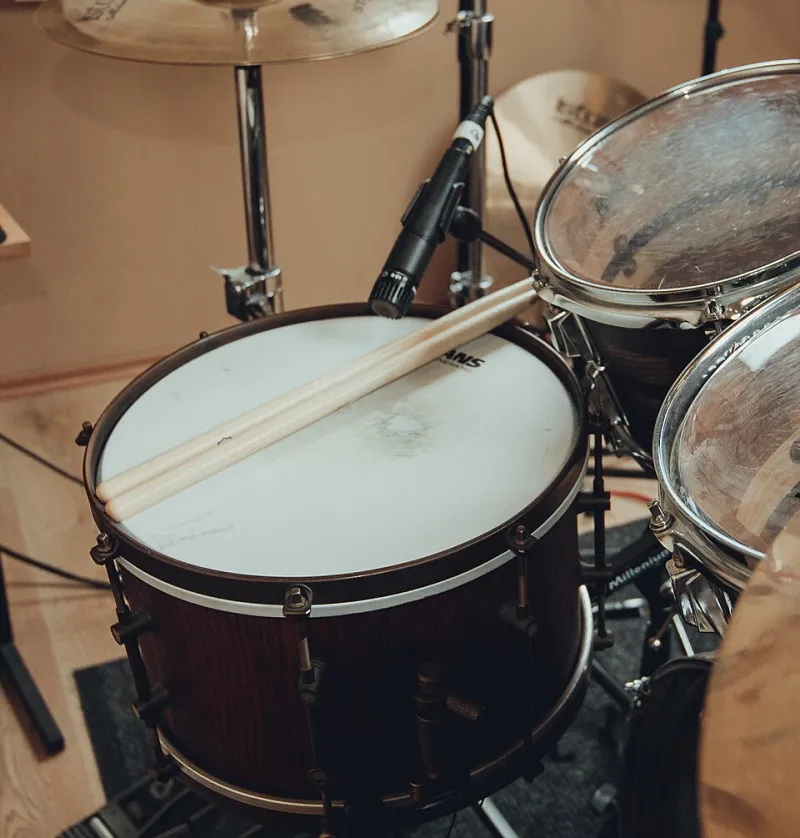
Photo: Shixart1985, CC BY 2.0, via Wikimedia Commons
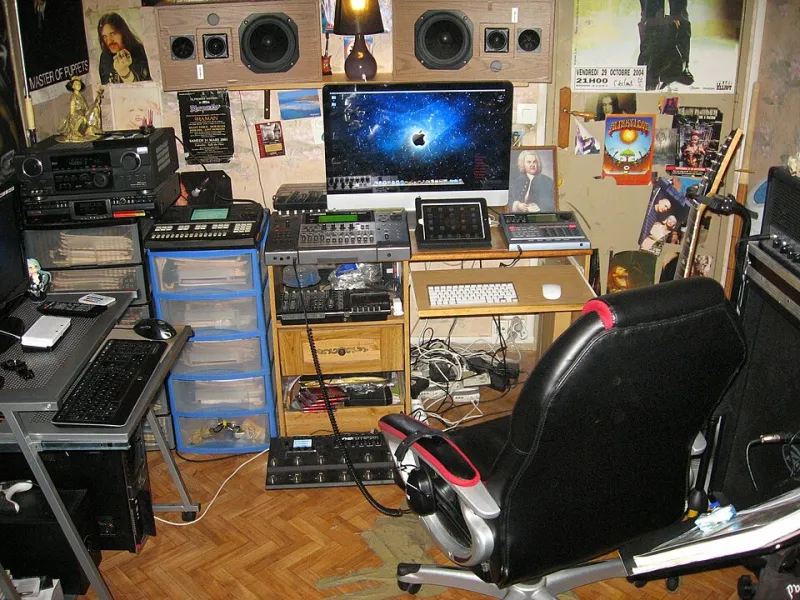
There's a particular kind of heartbreak that most home producers know well. You've been at it for hours. The low end feels powerful, the vocals sit perfectly, the whole thing breathes. You bounce the file, chuck it on your phone, and head out to the car — and somewhere between the driveway and the end of the road, something goes horribly wrong. The bass is booming. The vocals have disappeared. The whole thing sounds like it was mixed underwater.
Welcome to what we call the home studio bubble. And if nobody's warned you about it yet, consider this your briefing.
The Room Is Always Part of the Mix
Here's the uncomfortable truth: when you're mixing in your bedroom, spare room, or converted garage, you're not just hearing your mix. You're hearing your mix filtered through the acoustic character of that specific room. Every untreated parallel wall, every low ceiling, every corner that hasn't seen a bass trap — all of it colours what reaches your ears.
Your brain, being the remarkably adaptive thing it is, compensates for this over time. After an hour in your studio, you've unconsciously adjusted to what the room is adding and subtracting. You start mixing against those colourings without realising it. The result? A mix that sounds balanced in your room, but is actually overcompensating for acoustic problems you've stopped noticing.
This isn't a personal failing. It's a neurological one. Auditory adaptation is real, and it affects everyone from bedroom producers in Bristol to seasoned engineers in Soho.
Why the Car Is Telling You the Truth
There's a reason professional engineers have been checking mixes in cars for decades — and it's not because a Ford Focus has better acoustics than a control room. It's because the car is different. A new listening environment breaks the spell your home studio has cast on you.
Your car stereo has no emotional investment in your track. It doesn't know you spent three hours on that snare. It just plays what's there. And because you're hearing it fresh, in a space your brain hasn't adapted to, the imbalances suddenly become obvious.
The same principle applies to headphones, Bluetooth speakers, a mate's hi-fi, or the PA at your local venue. Each one is a different lens on the same image — and if your mix only flatters one of them, it's not really finished.
The Bias You Don't Know You Have
Beyond acoustics, there's a psychological layer to this that's worth sitting with. When you've created something, you want it to sound good. That desire isn't neutral. It actively shapes what you hear.
Research into auditory perception consistently shows that emotional investment affects critical listening. When you love a track — or when you're desperate for it to be done — you fill in gaps, smooth over harshness, and unconsciously de-prioritise problems. This is why fresh ears matter so much. It's also why mixing late at night after eight hours of work is a recipe for regret.
The antidote isn't cynicism. It's structured doubt. Train yourself to approach your own work with the same detached curiosity you'd bring to critiquing someone else's mix. Ask: if I heard this for the first time on a rubbish laptop speaker, what would jump out at me?
Practical Ways to Burst the Bubble
So what can you actually do about this? Plenty, as it happens.
Take regular breaks. Stepping away from the studio for even twenty minutes resets your ears more than you'd expect. Come back and listen to the first thirty seconds of your mix without touching anything. What do you notice?
Reference tracks are your best friend. Pick two or three commercially released tracks in a similar genre — ones that translate well across systems — and keep them close throughout your mix. Not to copy them, but to recalibrate. If your low end sounds dramatically different from your reference when you switch between them, that's a signal worth heeding.
Use multiple playback systems deliberately. Build yourself a translation checklist. Before you call a mix done, it should pass through at least three different listening environments: your studio monitors, headphones, and something small like a phone or a portable Bluetooth speaker. Many UK producers swear by the kitchen radio test — if it sounds decent on a tinny DAB radio, you're probably in good shape.
Mono is your truth serum. Collapse your mix to mono and listen. A lot of what sounds wide and impressive in stereo gets exposed in mono — phase issues, frequency clashes, elements that were hiding behind the stereo spread. If it holds up in mono, it'll hold up almost everywhere.
Export and walk away. Bounce a rough mix at the end of a session, then don't listen to it until the next morning. You'll hear it differently. You always do.
Treating the Room Helps More Than You Think
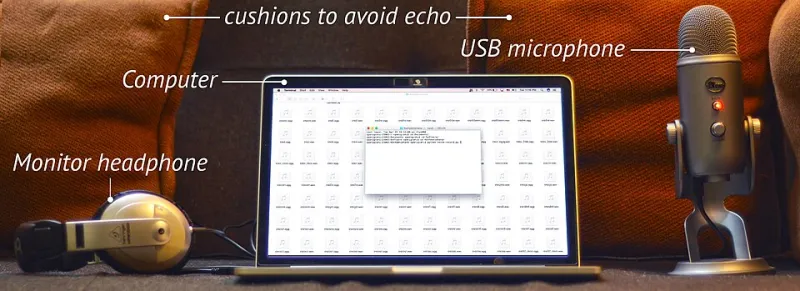
None of the above fully substitutes for addressing the acoustic environment itself. Even modest treatment — a few broadband absorbers behind the mix position, something in the corners to tame low-frequency buildup — can dramatically improve how accurately your room represents what you're actually making.
You don't need to spend a fortune. Acoustic foam panels, DIY rockwool frames, and strategically placed soft furnishings can all make a meaningful difference in a typical UK home studio. The goal isn't a dead room; it's a room that doesn't actively lie to you.
When your room is more accurate, your compensations become less extreme, and your mixes start to translate more naturally without heroic effort.
Building the Critical Ear Over Time
Ultimately, learning to predict how your mix will behave in different environments is a skill — and like all skills, it develops through repetition and honest feedback. Every time you bounce a mix and listen somewhere new, make notes. What changed? Where did it fall apart? What held up better than expected?
Over time, you'll build an internal model of your room's tendencies. You'll know that your setup exaggerates a certain frequency range, or that your headphones flatter the top end. That knowledge becomes part of your workflow, and your mixes get more consistent as a result.
The home studio bubble doesn't have to trap you. But bursting it requires acknowledging it's there in the first place — and that's half the battle right there.