Why the Voice You Hear in Your Head Is a Complete Stranger in the Speakers
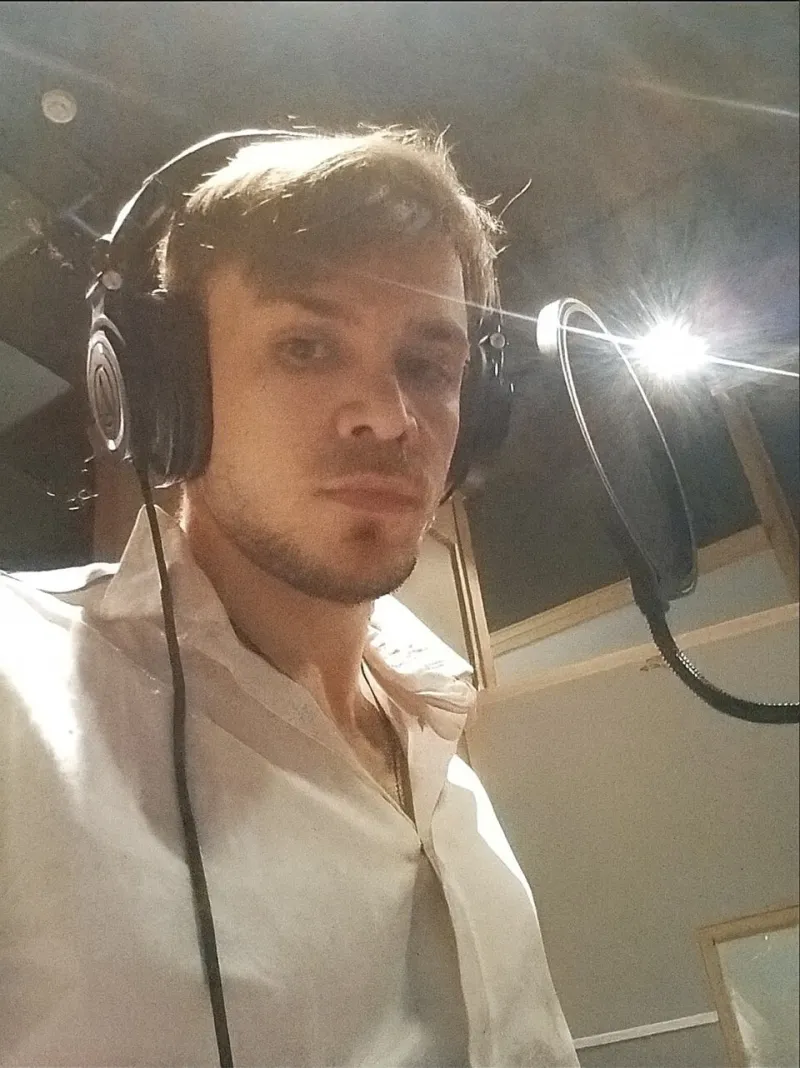
Photo: Borisgrey96, CC BY 4.0, via Wikimedia Commons
You've set up your mic, dialled in your levels, nailed what felt like a genuinely great take — and then you hit play. The voice coming out of the speakers sounds nothing like the one you thought you were recording. Too nasal, maybe. Strangely flat. Or just... off in a way you can't quite put your finger on.
Welcome to one of the most disorienting experiences in home recording. It catches almost everyone out, from absolute beginners to people who've been at it for years. And the good news is, it's not your voice that's the problem — it's your expectations.
The Skull Is a Terrible Monitor
Here's the core issue: you have never actually heard your own voice the way other people hear it. Not once in your life.
When you speak or sing, sound reaches your ears through two paths simultaneously. Some of it travels through the air, the same way it does for anyone listening to you. But a significant portion travels through the bones and tissues of your skull directly to your inner ear. Bone conduction passes lower frequencies more efficiently than air, which means your internal experience of your own voice is inherently bassier and fuller than the external reality.
So when you hear a recording of yourself, you're finally getting the version everyone else gets — and it sounds strange because it's missing all that warm, resonant low-end you've been privately enjoying your whole life. It's not that your recorded voice is wrong. It's that your reference point was skewed from the start.
What Your Room Is Adding to the Mix
Beyond the biological quirk, your recording environment is doing its own damage to your perception in the moment.
Most UK homes aren't acoustically treated spaces. You're recording in a bedroom, a spare room, or a corner of a living room, and every one of those spaces has its own resonant character — specific frequencies that get amplified by the dimensions of the room, the materials in the walls, the furniture, and the floor. These are sometimes called room modes, and they're particularly noticeable in the low-mid range, roughly between 100Hz and 400Hz.
When you're standing in front of your mic singing, you're positioned inside that acoustic environment. You're hearing yourself through the room's natural reverb and its resonant peaks. That adds a sense of size and warmth to your voice that the microphone — positioned slightly further away and pointed directly at you — simply doesn't capture in the same way.
The result? You sound bigger to yourself than you do on the recording. And when you hear the playback, your first instinct is to assume something went wrong, when actually the mic is doing exactly what it should.
The Proximity Effect Isn't Your Friend Here Either
If you're using a cardioid condenser or dynamic microphone — which most home recordists are — you've also got the proximity effect to contend with. Get close to the capsule and your voice picks up a boost in the low frequencies. This can sound brilliant when it's intentional and controlled, giving vocals that classic warm, intimate quality you hear on professional records.
But it also means that small changes in your distance from the mic during a take can cause noticeable shifts in the tonal balance of your recording. If you naturally move in as you hit louder notes and back off on quieter phrases — which most singers do instinctively — your recorded voice will have an inconsistency that feels unfamiliar on playback. You weren't aware of it happening in the moment, so the result sounds unexpectedly strange.
Ear Fatigue Makes Everything Worse
Spend an hour recording takes in a small room and your ears are going to start lying to you in a different way. Ear fatigue is real, it's well-documented, and it's particularly brutal in untreated spaces where reflected sound is constantly bouncing around the room.
As your auditory system tires, it begins to compensate — boosting your perception of frequencies that are actually diminishing in your ability to hear them clearly. You start making decisions based on a skewed picture. Vocals that sounded fine an hour ago suddenly seem harsh. Or you keep reaching for more low-end in your monitoring because you've lost sensitivity to it.
Taking regular breaks isn't optional. It's part of the process. Step away for ten to fifteen minutes, go make a brew, let your ears reset. You'll come back hearing things more accurately — and you'll likely find the take you were about to bin is better than you thought.
Learning to Trust the Playback
The long-term fix for all of this is training your ears to trust what the equipment is telling you rather than what you heard in the room at the time of recording.
The most effective way to do this is to build up a library of reference recordings — your own voice, captured in various conditions, compared back to back with professionally recorded material in similar styles. This isn't about chasing someone else's sound; it's about calibrating your ears to understand what 'good' actually looks like on your setup.
Listen back on multiple playback systems. Your studio monitors, your headphones, your phone speaker, the Bluetooth speaker in the kitchen. A voice that translates well across all of these is a voice that's been captured honestly. If it only sounds right on one of them, that's a clue about where your perception is being skewed.
Also, get comfortable with your microphone's polar pattern and sweet spot through deliberate experimentation rather than guesswork. Record the same phrase at different distances, different angles, different positions in the room. Listen back critically. You'll start to build an instinctive understanding of what your specific setup captures — and that knowledge is genuinely invaluable.
It Gets Better with Familiarity
The discomfort of hearing your recorded voice is almost universal, and it does fade with experience. Professional vocalists and session singers spend so much time recording that the playback version of their voice becomes the familiar one. The in-the-moment version starts to feel like the strange one.
You can accelerate that process by recording yourself regularly, even casually — voice memos, rough demos, anything that builds up your exposure to your captured sound. The more you hear it, the less alien it becomes, and the more useful your critical ear will be when it actually matters.
Your voice isn't broken. Your room isn't necessarily ruined. You're just learning a new language — and the equipment is a far more reliable narrator than your own skull.