Why Your Mix Sounds Brilliant at Midnight and Rubbish by Morning
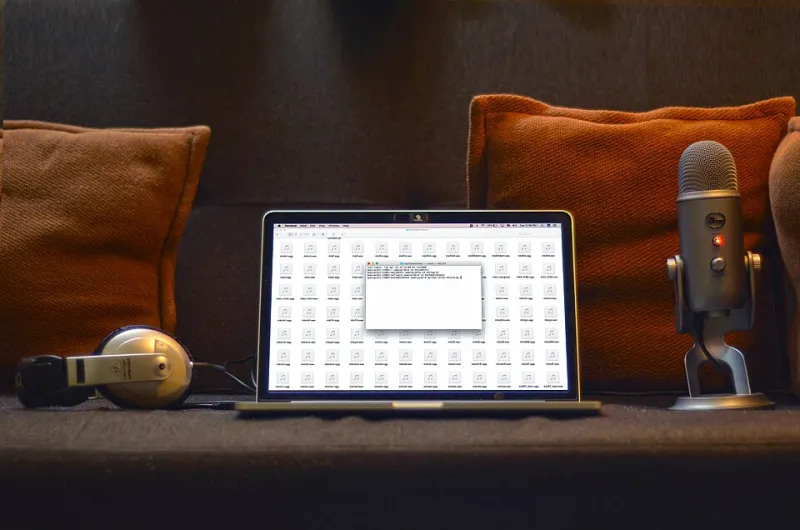
Photo: Subhashish Panigrahi, CC BY-SA 4.0, via Wikimedia Commons
You stayed up until 2 AM perfecting that mix, went to bed feeling like an absolute genius, and woke up to something that sounds like it was recorded in a biscuit tin. You're not imagining it — and it's not just tiredness. A surprising combination of acoustic physics, human biology, and environmental factors conspire to make late-night sessions dangerously deceptive.
This is one of the most common traps home recordists fall into, and it hits UK producers particularly hard. Our houses — Victorian terraces, semi-detached new builds, converted flats above chip shops — are acoustically alive in ways that shift dramatically depending on the time of day. Understanding why that 2 AM mix lies to you is the first step toward making decisions you can actually trust.
Your Ears Change Throughout the Day (Seriously)
Human hearing isn't a fixed instrument. It's a biological system that fluctuates with your circadian rhythm, stress levels, and cumulative exposure to sound across the day. Research into auditory perception consistently shows that our sensitivity to certain frequency ranges — particularly the upper midrange, roughly 2 kHz to 6 kHz — shifts depending on how fatigued we are.
By midnight, after a full day of commuting, conversations, telly, and kitchen noise, your ears have been working hard. High-frequency sensitivity tends to dull slightly with prolonged exposure. The result? That harshness in your mix that would normally jump out at you during a fresh morning listen simply doesn't register as aggressively at midnight. Vocals sound smoother. Cymbals feel more controlled. The whole thing seems to sit together beautifully.
Then you wake up, press play, and your rested ears hear everything you missed: the brittle top end, the boxy low-mids, the reverb that's swamping the mix. It wasn't a bad mix when you made it — it was a mix made by different ears than the ones now judging it.
The Room Is a Different Animal at Night
Here's where things get genuinely interesting from an acoustic standpoint. Your listening room doesn't behave the same way at midnight as it does at midday, and the differences are more significant than most people realise.
Temperature and humidity shift your room's acoustic character. As your home cools overnight, materials contract slightly — plasterboard, wooden floors, soft furnishings. These changes are subtle, but they affect how surfaces absorb and reflect sound. A room that feels relatively balanced in the afternoon can develop slightly different resonant characteristics by late evening.
Bass behaviour changes with temperature. The speed of sound is directly affected by air temperature — warmer air carries sound faster. In a cooler late-night room, low frequencies can behave differently at your listening position compared to a warmer afternoon session. If you've got problematic room modes (and most UK home studios do), those modes can shift slightly in character depending on ambient temperature. That boomy low-end you thought you'd tamed? It might genuinely sound different at 2 AM than it will at 10 AM.
The noise floor drops significantly. This is perhaps the biggest factor. During the day, your home is full of ambient noise: traffic outside, central heating ticking, neighbours, appliances humming, the general hum of life. This ambient noise effectively raises your room's noise floor, which in turn masks low-level detail in your mix. At midnight, when the street goes quiet and the boiler cuts out, you're suddenly hearing your mix against near-silence. Low-level reverb tails, subtle background noise in recordings, and fine spatial detail all become audible in ways they simply weren't during a daytime session. Your mix sounds more open, more detailed, more professional — because you can actually hear the parts of it that were previously buried under ambient noise.
The Psychological Trap of Late-Night Flow States
There's also a very human element at play here. Late-night sessions often produce what producers describe as a "flow state" — that elusive zone where creative decisions come easily, self-doubt quiets down, and everything feels like it's clicking. This state is real, and it's genuinely useful for creative work. But it's terrible for critical evaluation.
When you're deep in a flow state, your brain is less analytically engaged and more emotionally responsive. You're feeling the music rather than critically assessing it. That's brilliant for writing and arranging, but it means your mix decisions are being judged by a brain that's primed to enjoy rather than scrutinise. Add in the fact that you've been immersed in the same track for hours — what audio engineers call "ear fatigue" — and you've lost the objectivity needed to hear problems clearly.
The cruel irony is that flow states produce some of your most inspired work while simultaneously making you the worst possible judge of its technical quality.
Practical Strategies for UK Home Recordists
None of this means you should stop working late nights — some of the best sessions happen when the rest of the world is asleep. It just means you need a system that accounts for these variables.
Never make final mix decisions at midnight. Use late sessions for creative work — writing, tracking, experimenting with arrangements. Flag any mix moves you make after 11 PM as provisional. Literally label your project file "DO NOT EXPORT" if that helps.
Build a reference playlist and use it consistently. A handful of commercial tracks you know inside out — across different genres if possible — give you an anchor point regardless of what time you're listening. If your references sound right, your room is behaving. If they sound off, something has shifted.
Listen at multiple volume levels. This is good practice anyway, but it's especially useful for catching the distortions that creep into late-night listening. The famous "Fletcher-Munson" equal-loudness curves mean your perception of bass and treble balance shifts dramatically with volume. A mix that sounds balanced at low midnight volumes may reveal very different problems at moderate daytime levels.
Take notes instead of making moves. When you're in a late session and something feels wrong, write it down rather than immediately reaching for the EQ. "Kick feels muddy" or "vocals too bright" noted on your phone takes ten seconds and preserves your decision-making for a fresher moment.
Do your critical listening in the morning, before you've been exposed to much sound. Your ears are at their most sensitive first thing. Make yourself a brew, sit down, and listen without touching anything for the full duration of the track. What you hear then is considerably closer to what your audience will hear on a fresh listen.
Treat your room properly, and document how it sounds. Good acoustic treatment doesn't just improve your room — it makes it more consistent. A well-treated room with proper bass trapping and some diffusion behaves more predictably across different temperatures and conditions. If you're working in an untreated spare bedroom, the variables you're fighting are significantly larger.
Trust the Morning, Not the Midnight
There's a reason professional studios have dedicated mastering engineers who never hear a track during its creation — fresh ears and a controlled environment are genuinely different tools to the ones used in production. As a home recordist, you're doing both jobs yourself, which makes the separation between creative sessions and critical evaluation even more important.
That midnight mix that felt flawless? It probably has something worth keeping. But let the morning tell you what that is.